A Lightning wallet that serves only you.
Valet runs a real Lightning node in your pocket. No custodian, no vendor lock-in, no “Lightning-flavored” intermediary holding your keys behind a friendly UI. Your sats, your channels, your peers.
Most "Lightning" wallets aren't Lightning at all.
A new generation of wallets has quietly outsourced the hard parts — channels, peers, liquidity — to a single backend you didn't choose and can't see. The interface looks like Lightning. The trust model is a bank.
Their server, their rules.
Funds sit in a pooled account run by the wallet company. Withdrawals can be paused. Accounts can be frozen. The app is a thin client over someone else's ledger.
"Self-custodial" with an asterisk.
Newer architectures share signing with an operator. If that operator vanishes, cooperates with a court order, or just rate-limits you, your "non-custodial" balance becomes complicated.
An actual Lightning node.
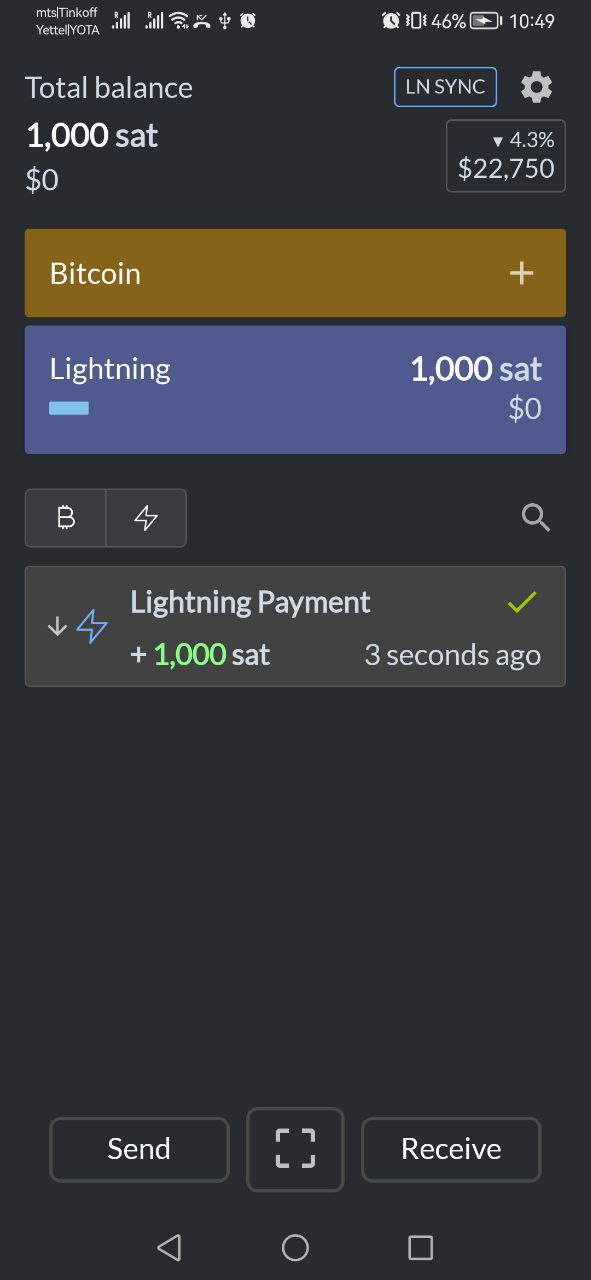
Your phone opens channels, gossips on the network, and signs every payment locally. No intermediary, no shared signers, no "our backend." If we shut down tomorrow, your sats keep working.
Keys never leave the device.
12 words. Encrypted at rest. Optional biometric unlock. Channel state is yours to back up — locally, to your own cloud, or both.
Powered by IMMORTAN. Quietly serious about privacy.
Valet is built on IMMORTAN, a Lightning library written for users who care what their wallet actually does. It brings privacy features Lightning users used to give up — and on-chain controls power users used to need a desktop wallet for.
Choose which coins to spend.
Pick the exact UTXOs that fund a transaction. Keep labelled stacks separate. The kind of control desktop wallets brag about — on a phone.
You see your channels. All of them.
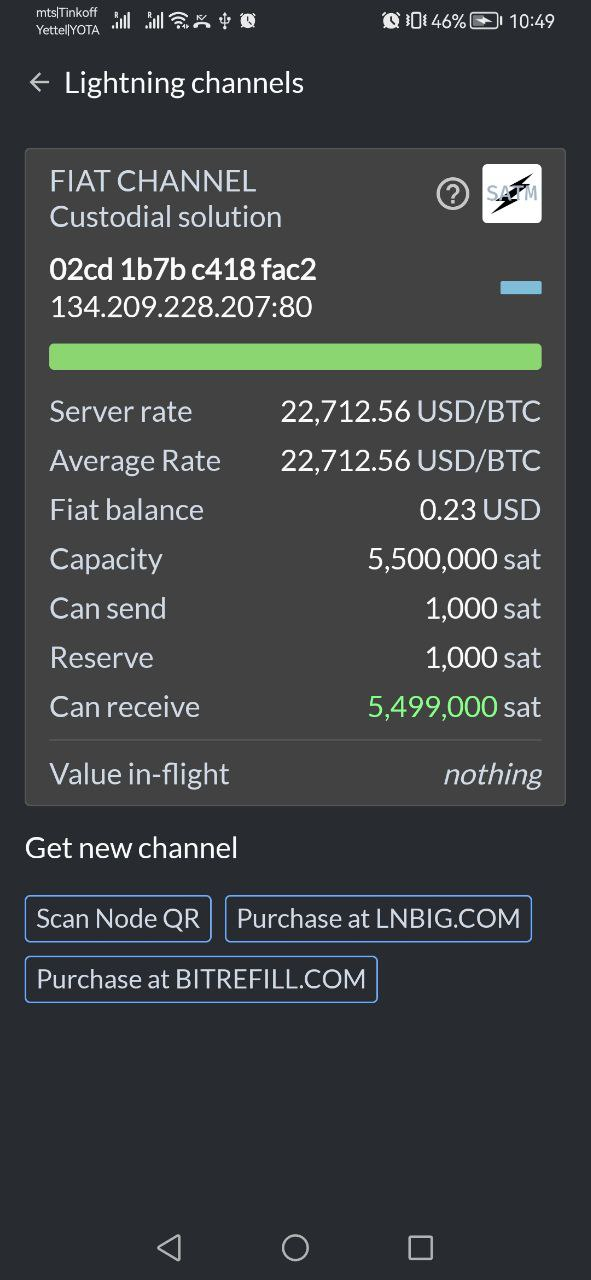
Open and close on your terms, with peers you choose. Inbound liquidity, fees, channel state — surfaced, not hidden behind "balance."
Address reuse, avoided.
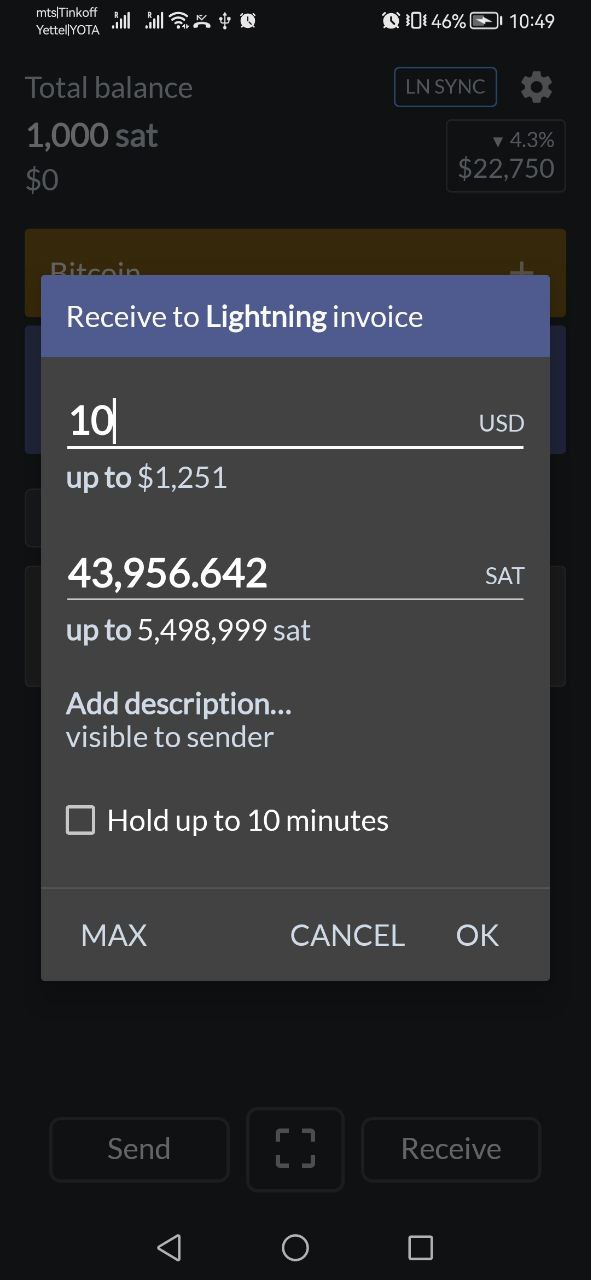
Every receive surfaces a fresh address. Old ones expire. Your on-chain history stops being a heatmap.
Trampoline + private hops.
Pay without leaking your full path. Trampoline routing, ephemeral channels, no "LSP knows everything" tax.
Backups that work offline.
12-word seed plus encrypted channel-state files. Restore on a new phone in minutes, no servers consulted.
Things people moving from custodial wallets ask.
I'm used to a custodial wallet that "just works." Will Valet feel different? +
What does "non-custodial" actually mean here? +
12-word seed and channel backup.How is this different from Spark-based wallets? +
What is IMMORTAN? +
What happens if I lose my phone? +
Are there fees to Valet? +
Can I run my own node and use Valet? +
Open source, reproducible, audit-friendly.
Every line that handles your keys is on GitHub. Builds are reproducible — you can verify the APK we ship matches the source you read. Issues are public. Releases are signed.